Κανένα προϊόν
ARDUINO - ΡΟΜΠΟΤΙΚΗ
- DRONES
- ΕΛΙΚΟΠΤΕΡΑ
- ΑΕΡΟΠΛΑΝΑ
- ΑΥΤΟΚΙΝΗΤΑ
- ΣΚΑΦΗ
- ΑΝΤΑΛΛΑΚΤΙΚΑ
- QUAD COPTERS
- MICRO QUAD PARTS
- ALIGN M424 Quadcopter
- Quanum/CX-20/ DJI PARTS
- Cheerson CX-33 Parts
- Cheerson CX-35 parts
- FreeX Parts
- SYMA X5 PARTS
- SYMA X8 PARTS
- HUSBAN PARTS
- WLtoys V686 PARTS
- Tarantula X6
- Q-BOT parts
- Zoopa Q parts
- Eachine
- VISUO XS809/XS816 parts
- Eachine E58 PARTS / X-PRO
- VISUO XS812 GPS parts
- SHRC H1G GPS PARTS
- Eachine Tyro99
- Wltoys XK X1
- FUNSKY S20 PARTS
- Eachine E520S GPS PARTS
- Eachine E511S GPS PARTS
- Eachine Tyro79 parts
- Eachine EG16 parts
- Eachine Tyro129 parts
- Eachine Tyro109 parts
- Eachine Tyro69 parts
- JJRC X16 5G parts
- Eachine Tyro89 parts
- ΕΛΙΚΟΠΤΕΡΑ
- ALIGN
- TREX 100 / TREX 100X
- TREX 150 DFC
- TREX 250 / DFC
- TREX 250SE/PRO/DFC
- TREX 450SE/V1/V2/V3
- TREX 450 SPORT/V2/PLUS
- TREX 450 PRO/V2/DFC/3GX
- 450L DOMINATOR Parts
- TREX 500 /ESP/EFL/PRO/3G/DFC
- TREX 550E / PRO / DFC
- TREX 600E / ESP / 3G / PRO / EFL / DFC
- TREX 600N / Limited / 3G
- TREX 700N / Limited / 700E / 3G / DFC / 800E
- ESKY
- E-FLITE
- TAROT (100% COPY ALIGN)
- WALKERA
- Walkera 38 Parts
- Walkera 4-3B/4-3Q2 Parts
- Walkera 5-10 Parts
- Walkera 5-6 Parts
- Walkera 53-1 Parts
- Walkera 5G6 Parts
- Walkera LAMA2 Parts
- Walkera UFO 5 Parts
- Walkera 4G3 Parts
- Walkera Metal Upgrade Parts
- Walkera 5G6-1 Parts
- Walkera 5G4Q3 Parts
- WALKERA 5-4,5,8 PARTS
- Walkera 53Q3 PARTS
- Walkera UFO8 Parts
- Walkera LAMA 400 Parts
- WALKERA LAMA2Q PARTS
- WALKERA LAMA2Q1 PARTS
- WALKERA UFLY
- Walkera 4G6
- SKYARTEC
- SKYA
- Hisky
- Wltoys
- ARK
- HK
- THUNDER TIGER
- GAUI
- ELE
- OUTRAGE
- COPTER X
- HDX
- Copter V-MAX Parts
- Copter Mini X - SH-6025-1
- ACME HELIS
- XK
- Eachine Parts
- XK-WLTOYS
- RC ERA HELIS
- ALIGN
- ΑΕΡΟΠΛΑΝΑ
- ΑΥΤΟΚΙΝΗΤΑ
- Accessories
- 1/16 Short Course Truck
- 1/16 Brushless 4WD Racing Buggy
- JJRC Q35/Q36 PARTS
- 9115 parts
- Wltoys A989/A999/L939/K969/K989
- WLtoys A949 A959 A969 A979 PARTS
- Wltoys L959/L969/L979
- Wltoys 144001 parts
- Pxtoys PX9300 1/18
- RC Trailer
- Wltoys 12429 parts
- Eachine EAT04/Feiyue FY01/2/3 1/12 parts
- XLF X03 1/10 PARTS
- Xinlehong 913xx 1/16 PARTS
- Wltoys 12428 parts
- Wltoys 104001 1/10 PARTS
- Wltoys 124017 1/12 PARTS
- Wltoys 124018 1/12 PARTS
- HBX 16886 1/14 4WD PARTS
- HBX 903 RTR 1/12 2.4G 4WD PARTS
- HBX 16889A Pro 1/16 2.4G PARTS
- Wltoys 104009/12402 1/10 PARTS
- Wltoys XK 22201 1/22 parts
- F-20 2.4GHz 1/12 - PARTS
- Wltoys 144010 1/14 PARTS
- Eachine EAT15 Parts
- Wltoys 124010 1/12 PARTS
- Wltoys 284131 1/28 PARTS
- Wltoys 284161 1/28 PARTS
- Wltoys 124008 1/12 PARTS
- Wltoys 284010 1/28 PARTS
- 1/10 HSP PARTS
- Wltoys 184008 1/18 - parts
- WLTOYS 144016 1/14 - PARTS
- ΒΑΡΚΕΣ
- ΕΛΙΚΕΣ - BLADES
- RC BEARINGS
- QUAD COPTERS
- ΤΗΛΕΚΑΤΕΥΘΥΝΣΕΙΣ
- ΗΛΕΚΤΡΟΝΙΚΑ
- SPEED CONTROLLERS
- SERVOS
- FPV SYSTEMS
- ΚΑΛΩΔΙΑ & ADAPTERS
- ΕΞΟΜΟΙΩΤΕΣ
- BEC & Regulator
- GADGETS
- ΜΠΟΥΖΟΠΙΠΕΣ
- ΦΩΤΑ & Night Flying
- ACME FlyCams
- ΔΙΑΦΟΡΑ
- ΜΠΑΤΑΡΙΕΣ & ΦΟΡΤΙΣΤΕΣ
- ΜΟΤΕΡ
- ΕΡΓΑΛΕΙΑ & ΑΞΕΣΟΥΑΡ
- ΕΡΓΑΛΕΙΑ ΜΕΤΡΗΣΕΩΝ
- ΒΑΛΙΤΣΕΣ
- COVERING FILMS
- ΚΟΛΛΕΣ & ThreadLock
- ΑΕΡΟΓΡΑΦΟΙ
- ΝΤΙΖΕΣ & AΞΕΣΟΥΑΡ
- ΔΙΑΦΟΡΑ ΑΞΕΣΟΥΑΡ
- ΑΞΕΣΟΥΑΡ NITRO
- ΜΠΟΥΖΙ
- ΜΙΖΕΣ
- ΤΡΟΜΠΕΣ ΚΑΥΣΙΜΟΥ
- ΕΡΓΑΛΕΙΑ & ΔΙΑΦΟΡA Accessories
- ΦΙΛΤΡΑ ΚΑΥΣΙΜΟΥ
- ΒΙΔΕΣ & Washer & E-Clips
- TRAINING KIT
- PITCH GAUGE
- SERVO TESTER
- TAPES & VELCRO
- Lubricants & Accessories
- DECALS & STICKERS
- ΕΡΓΑΛΕΙΑ SKYA
- ΖΥΓΑΡΙΕΣ
- Cleaning Accessories
- Swashplate Leveler
- Starter Shaft
- Glow Ignitors
- ΨΗΦΙΑΚΑ ΠΟΛΥΜΕΤΡΑ
- ΦΩΤΙΣΤΙΚA LED
- ΚΟΛΛΗΤΗΡΙΑ
- ΕΡΓΑΛΕΙΑ ΧΕΙΡΟΣ
- DEPRON
- ΚΟΥΤΙΑ ΑΠΟΘΗΚΕΥΣΗΣ
- ΜΠΡΟΣΕΛΕΣ
- ΔΕΜΑΤΙΚΑ
- ΓΙΑ ΑΡΧΑΡΙΟΥΣ
- GADGETS FOR PC
- ΠΕΡΙΟΔΙΚΑ & DVD
- SLUBAN ΤΟΥΒΛΑΚΙΑ
- 3D PRINTERS / SCANNERS
- 3D PUZZLES
- ARDUINO - ΡΟΜΠΟΤΙΚΗ
- DIY Electronic KIT
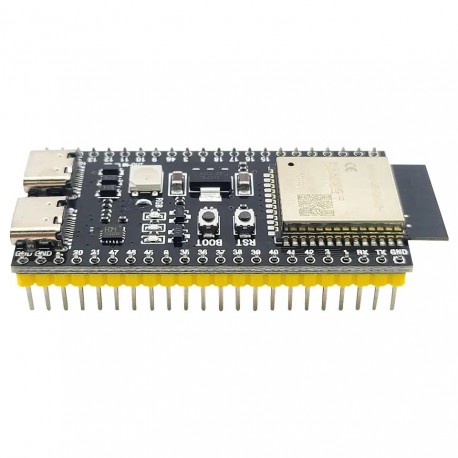

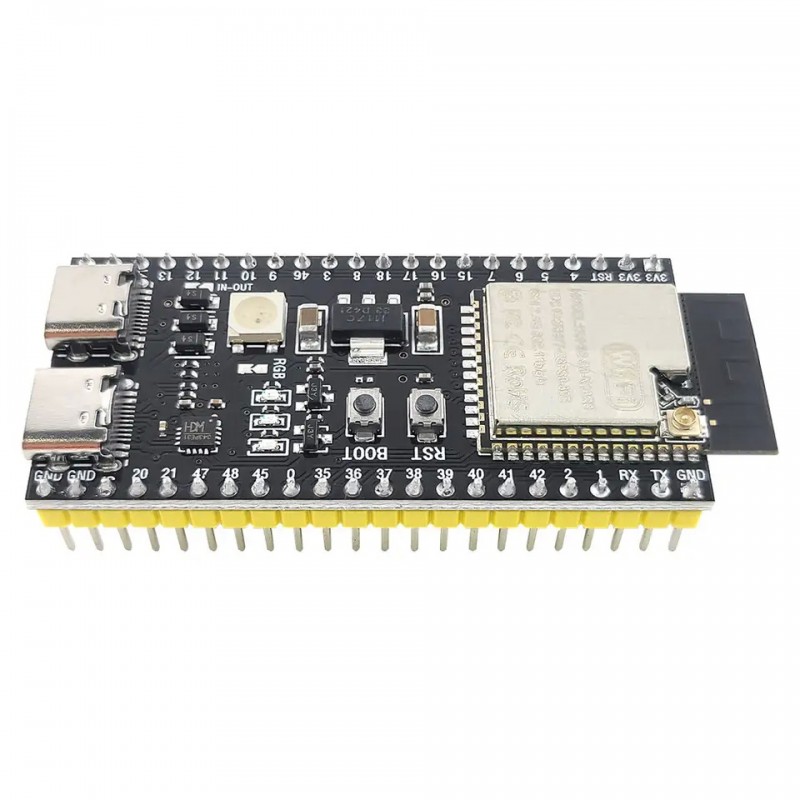
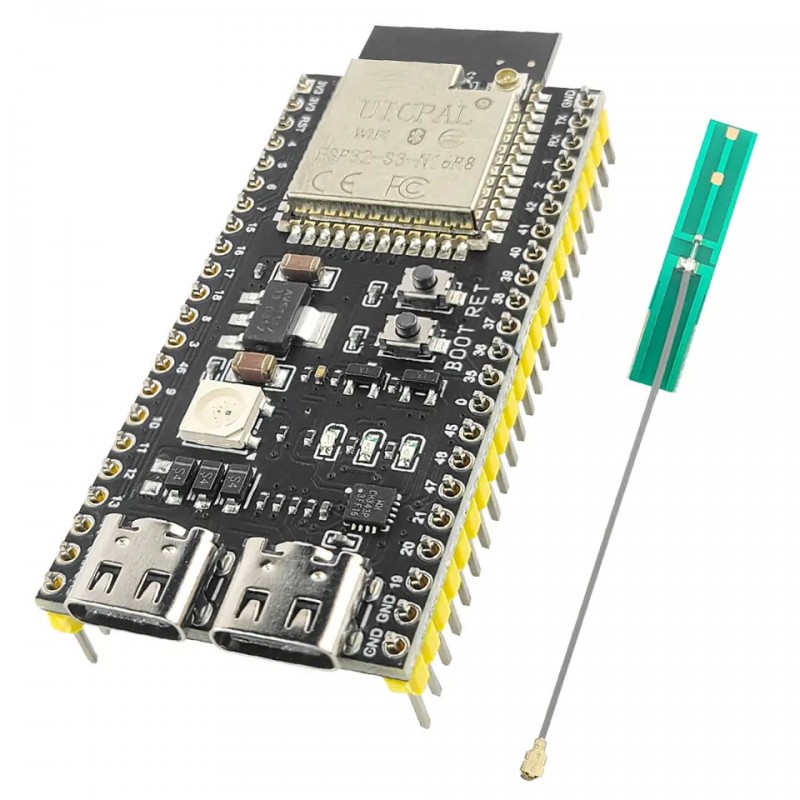
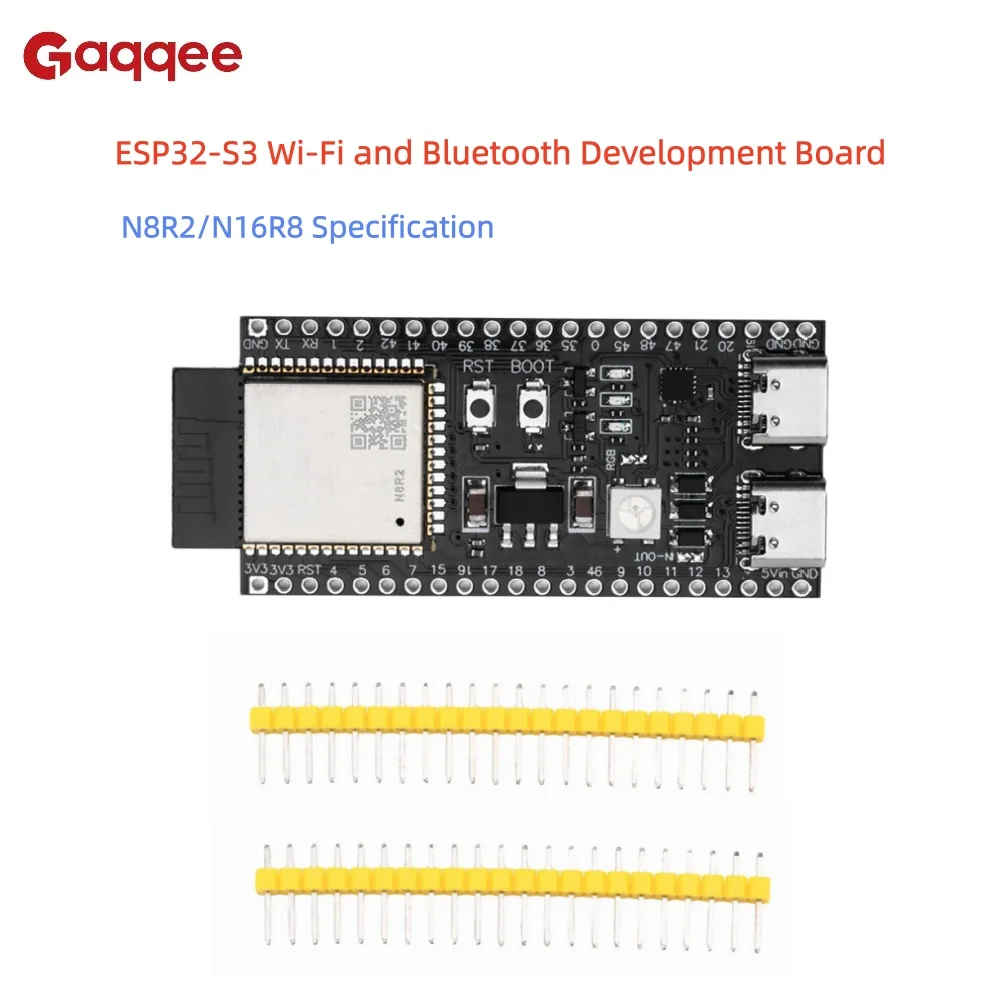
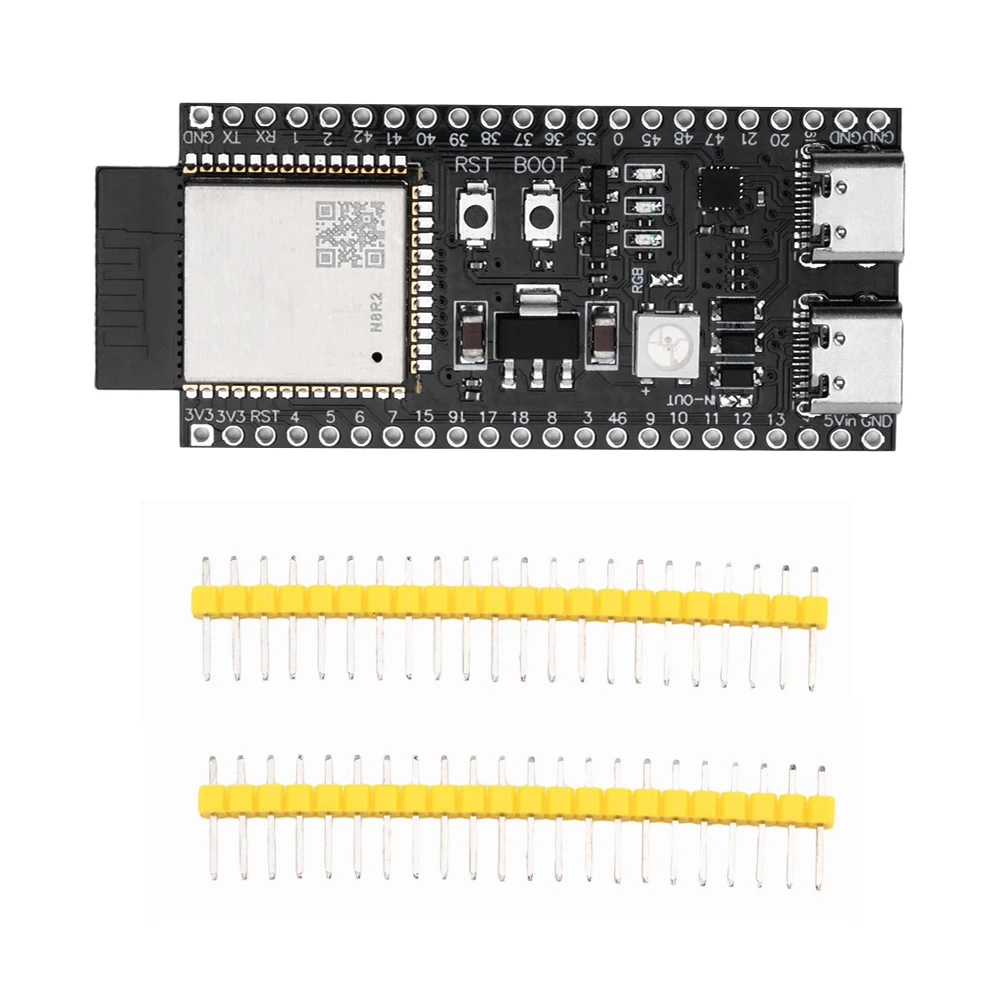
ESP32-S3 N8R2/N16R8 Development Board 2.4G Wifi Module for Arduino
ESP32 S3 N16R8 Development Board
Διαθέσιμο
Άλλες πληροφορίες
Product Features:
1. ESP32-S3 supports 2.4 GHz Wi-Fi and BT 5 (LE) with robust AI processing capabilities and secure encryption mechanisms
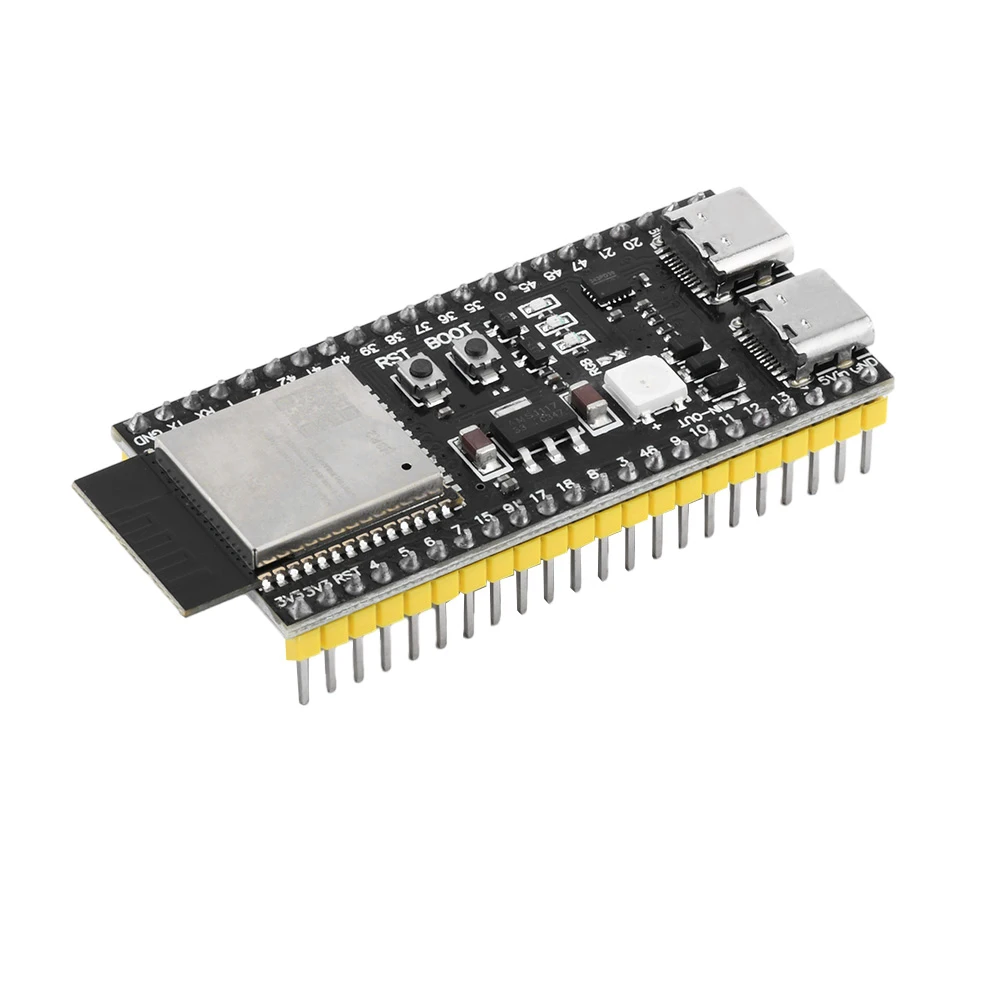
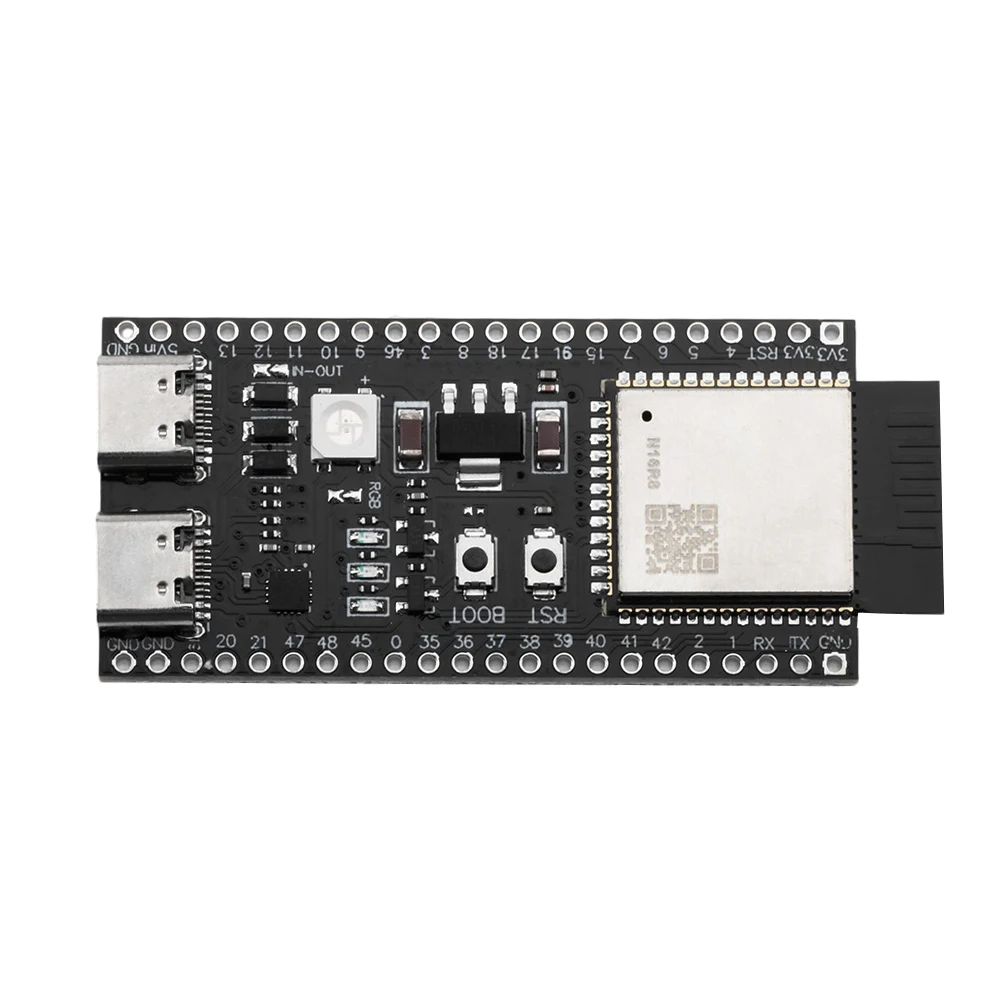
2. N16R8 (16M external flash/8M PSRAM) / AI IoT / Dual Type-C USB ports / W2812 RGB / High-speed USB-to-serial conversion
3. This link offers selectable N8R2/R16R8 variants. This series is downward compatible; modules with smaller storage specifications can run directly on higher-capacity modules without modification.
4. The ESP32-S3 is an MCU chip integrating 2.4 GHz Wi-Fi and BT 5 (LE), supporting Long Range mode. ESP32-S3 features an Xtensa R32-bit LX7 dual-core processor operating at up to 240 MHz, with 512 KB SRAM (TCM), 45 programmable GPIO pins, and extensive communication interfaces.
5. ESP32-S3 supports higher-capacity high-speed Octal SPL flash and off-chip RAM, enabling user configuration of data and instruction caches.
Storage specifications for ESP32-S3 modules:
ESP32-S3-N8R2:
On-chip SRAM: 512K
On-chip ROM: 384K
External PSRAM: 2M
External Flash: 8M
ESP32-S3-N16R8:
On-chip SRAM: 512K
On-chip ROM: 384K
External PSRAM: 8M
External Flash: 16M
This link offers selectable N8R2/R16R8 specification products. This series is downward compatible; programs designed for modules with smaller storage specifications can run directly on higher-specification storage modules without modification. For instance, N4 programs can operate on N8 or N16 modules, and programs for modules with 0 external PSRAM can function on modules with 2MB or 8MB external PSRAM.
Regarding ESP32-S3 hardware resources:
The ESP32-S3 is a low-power MCU system-on-chip (SoC) integrating dual-mode 2.4 GHz Wi-Fi and Bluetooth Low Energy (BT@LE) wireless communication.
The ESP32-S3 features complete Wi-Fi and Bluetooth Low Energy subsystems, delivering industry-leading power efficiency and RF performance. It supports multiple low-power operating modes to meet diverse application power requirements. The chip provides extensive peripheral interfaces alongside unique hardware security mechanisms. These robust security features enable the chip to satisfy stringent security requirements.
Parameter Function Description:
WiFi:
Supports IEEE 802.11 b/g/n protocols
Supports 20 MHz and 40 MHz bandwidths in the 2.4 GHz band
Supports 1T1R mode, data rate
up to 150 Mbps
Wireless Multimedia (WMM)
Frame aggregation (TX/RX A-MPDU, TX/RX A-MSDU)
Immediate Block Acknowledgement (ImmediateBlock ACK)
Fragmentation and Reassembly
(Fragmentation/defragmentation) - Beacon Auto-Monitoring (Hardware TSF) .4× Virtual Wi-Fi Interfaces
Simultaneously supports Infrastructure BSS Station mode, SoftAP mode, and Station+SoftAP mixed mode
Note: When scanning in Station mode, the SoftAP channel will change simultaneously on the ESP32-S3
Antenna Diversity 802.11 mc FTM · Supports external power amplifier
Bluetooth
Low Energy Bluetooth (BT LE): BT5, Bluetooth mesh
High Power Mode (20 dBm, shares PA with Wi-Fi)
Supported rates: 125 Kbps, 500 Kbps, 1 Mbps, 2 Mbps
Broadcast extensions
Multiple advertisement sets
Channel selection algorithm #2
Wi-Fi and Bluetooth coexistence, sharing the same antenna
Advanced peripheral interfaces and sensors
45 × GPIO pins
Digital interfaces:
- 4 × SPI
- 1 × LCD Interface (8-bit to 16-bit parallel RGB, 18080, MOTO6800), supporting conversion between RGB565, YUV422, YUV420, YUV411
- 1 × DVP 8-bit to 16-bit Camera Interface
- 3 × UART
- 2 × I²C
- 2 × I²S
- 1 × RMT (TX/RX)
- 1 × Pulse counter
- LED PWM controller, up to 8 channels
- 1 × Full-speed USB OTG
- 1 × USB Serial/JTAG controller
- 2 × MCPWM
- 1 × SDIO host interface with 2 card slots
- General-purpose DMA controller (GDMA), 5 receive channels and 5 transmit channels
- 1 × TWAIR controller, compatible with ISO 11898-1 (CAN specification 2.0)
Analogue interfaces:
- 2 × 12-bit SAR ADCs, up to 20 channels
- 1 × Temperature sensor
- 14 × capacitive sensing GPIOs
Timers:
- 4 × 54-bit general-purpose timers
- 1 × 52-bit system timer
- 3 × watchdog timers
Low-Power Management
- Power Management Unit with five power consumption modes
- Ultra-Low Power Coprocessor (ULP):
- ULP-RISC-V coprocessor
-ULP-FSM coprocessor Security Mechanisms
-Secure Boot
-Flash Encryption
-4096-bit OTP, up to 1652 bits user-accessible
Cryptographic Hardware Accelerators:
- AES-128/256 (FIPS PUB197)
- Hash (FIPS PUB 180-4)
- RSA
– Random Number Generator (RNG) - HMAC
- Digital Signatures
Regarding ESP32-S3 Downloading:
ESP32-S3 firmware download/programming can be performed via the ESP32's direct USB interface or through the onboard hardware USB-to-serial converter. Both Type-C USB ports on the board support programming.
In Windows environments, the official flash_download_tool_xxx software may be employed for downloading. Note that these two USB ports utilise distinct methods: one is the USB mode, while the other is the UART mode.