
Κανένα προϊόν
BMS
- DRONES
- ΕΛΙΚΟΠΤΕΡΑ
- ΑΕΡΟΠΛΑΝΑ
- ΑΥΤΟΚΙΝΗΤΑ
- ΣΚΑΦΗ
- ΑΝΤΑΛΛΑΚΤΙΚΑ
- QUAD COPTERS
- MICRO QUAD PARTS
- ALIGN M424 Quadcopter
- Quanum/CX-20/ DJI PARTS
- Cheerson CX-33 Parts
- Cheerson CX-35 parts
- FreeX Parts
- SYMA X5 PARTS
- SYMA X8 PARTS
- HUSBAN PARTS
- WLtoys V686 PARTS
- Tarantula X6
- Q-BOT parts
- Zoopa Q parts
- Eachine
- VISUO XS809/XS816 parts
- Eachine E58 PARTS / X-PRO
- VISUO XS812 GPS parts
- SHRC H1G GPS PARTS
- Eachine Tyro99
- Wltoys XK X1
- FUNSKY S20 PARTS
- Eachine E520S GPS PARTS
- Eachine E511S GPS PARTS
- Eachine Tyro79 parts
- Eachine EG16 parts
- Eachine Tyro129 parts
- Eachine Tyro109 parts
- Eachine Tyro69 parts
- JJRC X16 5G parts
- Eachine Tyro89 parts
- ΕΛΙΚΟΠΤΕΡΑ
- ALIGN
- TREX 100 / TREX 100X
- TREX 150 DFC
- TREX 250 / DFC
- TREX 250SE/PRO/DFC
- TREX 450SE/V1/V2/V3
- TREX 450 SPORT/V2/PLUS
- TREX 450 PRO/V2/DFC/3GX
- 450L DOMINATOR Parts
- TREX 500 /ESP/EFL/PRO/3G/DFC
- TREX 550E / PRO / DFC
- TREX 600E / ESP / 3G / PRO / EFL / DFC
- TREX 600N / Limited / 3G
- TREX 700N / Limited / 700E / 3G / DFC / 800E
- ESKY
- E-FLITE
- TAROT (100% COPY ALIGN)
- WALKERA
- Walkera 38 Parts
- Walkera 4-3B/4-3Q2 Parts
- Walkera 5-10 Parts
- Walkera 5-6 Parts
- Walkera 53-1 Parts
- Walkera 5G6 Parts
- Walkera LAMA2 Parts
- Walkera UFO 5 Parts
- Walkera 4G3 Parts
- Walkera Metal Upgrade Parts
- Walkera 5G6-1 Parts
- Walkera 5G4Q3 Parts
- WALKERA 5-4,5,8 PARTS
- Walkera 53Q3 PARTS
- Walkera UFO8 Parts
- Walkera LAMA 400 Parts
- WALKERA LAMA2Q PARTS
- WALKERA LAMA2Q1 PARTS
- WALKERA UFLY
- Walkera 4G6
- SKYARTEC
- SKYA
- Hisky
- Wltoys
- ARK
- HK
- THUNDER TIGER
- GAUI
- ELE
- OUTRAGE
- COPTER X
- HDX
- Copter V-MAX Parts
- Copter Mini X - SH-6025-1
- ACME HELIS
- XK
- Eachine Parts
- XK-WLTOYS
- RC ERA HELIS
- ALIGN
- ΑΕΡΟΠΛΑΝΑ
- ΑΥΤΟΚΙΝΗΤΑ
- Accessories
- 1/16 Short Course Truck
- 1/16 Brushless 4WD Racing Buggy
- JJRC Q35/Q36 PARTS
- 9115 parts
- Wltoys A989/A999/L939/K969/K989
- WLtoys A949 A959 A969 A979 PARTS
- Wltoys L959/L969/L979
- Wltoys 144001 parts
- Pxtoys PX9300 1/18
- RC Trailer
- Wltoys 12429 parts
- Eachine EAT04/Feiyue FY01/2/3 1/12 parts
- XLF X03 1/10 PARTS
- Xinlehong 913xx 1/16 PARTS
- Wltoys 12428 parts
- Wltoys 104001 1/10 PARTS
- Wltoys 124017 1/12 PARTS
- Wltoys 124018 1/12 PARTS
- HBX 16886 1/14 4WD PARTS
- HBX 903 RTR 1/12 2.4G 4WD PARTS
- HBX 16889A Pro 1/16 2.4G PARTS
- Wltoys 104009/12402 1/10 PARTS
- Wltoys XK 22201 1/22 parts
- F-20 2.4GHz 1/12 - PARTS
- Wltoys 144010 1/14 PARTS
- Eachine EAT15 Parts
- Wltoys 124010 1/12 PARTS
- Wltoys 284131 1/28 PARTS
- Wltoys 284161 1/28 PARTS
- Wltoys 124008 1/12 PARTS
- Wltoys 284010 1/28 PARTS
- 1/10 HSP PARTS
- Wltoys 184008 1/18 - parts
- WLTOYS 144016 1/14 - PARTS
- ΒΑΡΚΕΣ
- ΕΛΙΚΕΣ - BLADES
- RC BEARINGS
- QUAD COPTERS
- ΤΗΛΕΚΑΤΕΥΘΥΝΣΕΙΣ
- ΗΛΕΚΤΡΟΝΙΚΑ
- SPEED CONTROLLERS
- SERVOS
- FPV SYSTEMS
- ΚΑΛΩΔΙΑ & ADAPTERS
- ΕΞΟΜΟΙΩΤΕΣ
- BEC & Regulator
- GADGETS
- ΜΠΟΥΖΟΠΙΠΕΣ
- ΦΩΤΑ & Night Flying
- ACME FlyCams
- ΔΙΑΦΟΡΑ
- ΜΠΑΤΑΡΙΕΣ & ΦΟΡΤΙΣΤΕΣ
- ΜΟΤΕΡ
- ΕΡΓΑΛΕΙΑ & ΑΞΕΣΟΥΑΡ
- ΕΡΓΑΛΕΙΑ ΜΕΤΡΗΣΕΩΝ
- ΒΑΛΙΤΣΕΣ
- COVERING FILMS
- ΚΟΛΛΕΣ & ThreadLock
- ΑΕΡΟΓΡΑΦΟΙ
- ΝΤΙΖΕΣ & AΞΕΣΟΥΑΡ
- ΔΙΑΦΟΡΑ ΑΞΕΣΟΥΑΡ
- ΑΞΕΣΟΥΑΡ NITRO
- ΜΠΟΥΖΙ
- ΜΙΖΕΣ
- ΤΡΟΜΠΕΣ ΚΑΥΣΙΜΟΥ
- ΕΡΓΑΛΕΙΑ & ΔΙΑΦΟΡA Accessories
- ΦΙΛΤΡΑ ΚΑΥΣΙΜΟΥ
- ΒΙΔΕΣ & Washer & E-Clips
- TRAINING KIT
- PITCH GAUGE
- SERVO TESTER
- TAPES & VELCRO
- Lubricants & Accessories
- DECALS & STICKERS
- ΕΡΓΑΛΕΙΑ SKYA
- ΖΥΓΑΡΙΕΣ
- Cleaning Accessories
- Swashplate Leveler
- Starter Shaft
- Glow Ignitors
- ΨΗΦΙΑΚΑ ΠΟΛΥΜΕΤΡΑ
- ΦΩΤΙΣΤΙΚA LED
- ΚΟΛΛΗΤΗΡΙΑ
- ΕΡΓΑΛΕΙΑ ΧΕΙΡΟΣ
- DEPRON
- ΚΟΥΤΙΑ ΑΠΟΘΗΚΕΥΣΗΣ
- ΜΠΡΟΣΕΛΕΣ
- ΔΕΜΑΤΙΚΑ
- ΓΙΑ ΑΡΧΑΡΙΟΥΣ
- GADGETS FOR PC
- ΠΕΡΙΟΔΙΚΑ & DVD
- SLUBAN ΤΟΥΒΛΑΚΙΑ
- 3D PRINTERS / SCANNERS
- 3D PUZZLES
- ARDUINO - ΡΟΜΠΟΤΙΚΗ
- DIY Electronic KIT
 Μεγαλύτερη προβολή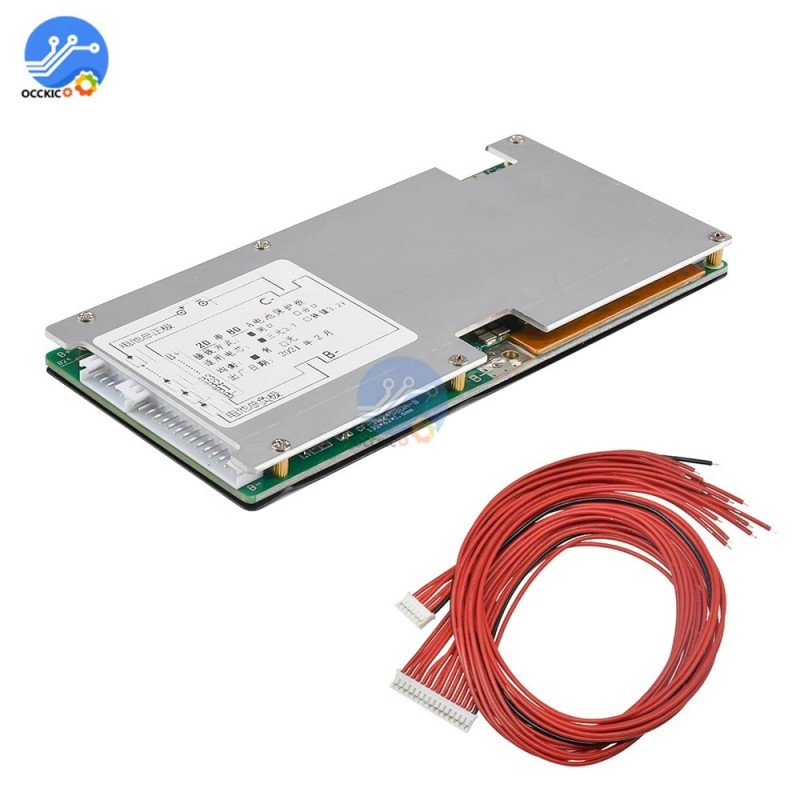
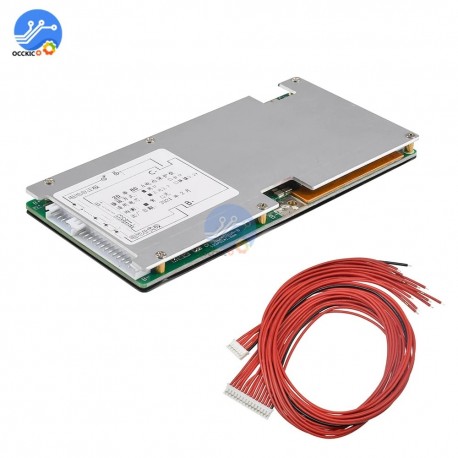
BMS 20S 72V 45A Lithium Li-Ion 18650 Battery Charge Protection Board Common Port with Balance For Ebike/Escooter
72V 84V 20S 45A 18650 Li-ion Lipolymer battery BMS PCB PCM for ebike ebicycle
Διαθέσιμο
Άλλες πληροφορίες
Detail | Specifications | Tipical | Unit | |
Discharge | Continuous Discharging Current | 45 | A | |
Instantaneous Discharge Current | 100 | A | ||
Charge | Charging Voltage | 84 | V | |
Charging Current | 45 | A | ||
Overcharge Protect | Over-charge Detect | 4.28±0.05 | V | |
Protect Delay | 100 | mS | ||
Over-charge release | 4.08±0.05 | V | ||
Balance | Detect Voltage | 4.2±0.025 | V | |
Release Voltage | 4.2±0.05 | V | ||
Balance Current | 60±5 | mA | ||
Over-discharge Protect | Over-discharge Detect | 2.55±0.08 | V | |
Over-discharge Detect delay | 50 | mS | ||
Release Voltage | 2.9±0.1 | V | ||
Over-current Protect | Detect Voltage | 150 | mV | |
Detect Delay | 15 | mS | ||
Current Detect | 130±10 | A | ||
Release Condition | Cut Load | |||
Short-circuit Protect | Protect Condition | Cut Load | ||
Detect Delay | 200 | uS | ||
Release Condition | Cut Load | |||
Temperature Protect | Temperature Protect | / | ℃ | |
Resistance | Inner | ≤15 | mΩ | |
Self-Consumption | Working Current | ≤70 | uA | |
Sleep Current (when Over-discharge) | ≤10 | uA | ||
Working Temperature | Range | -30/+80 | ℃ |
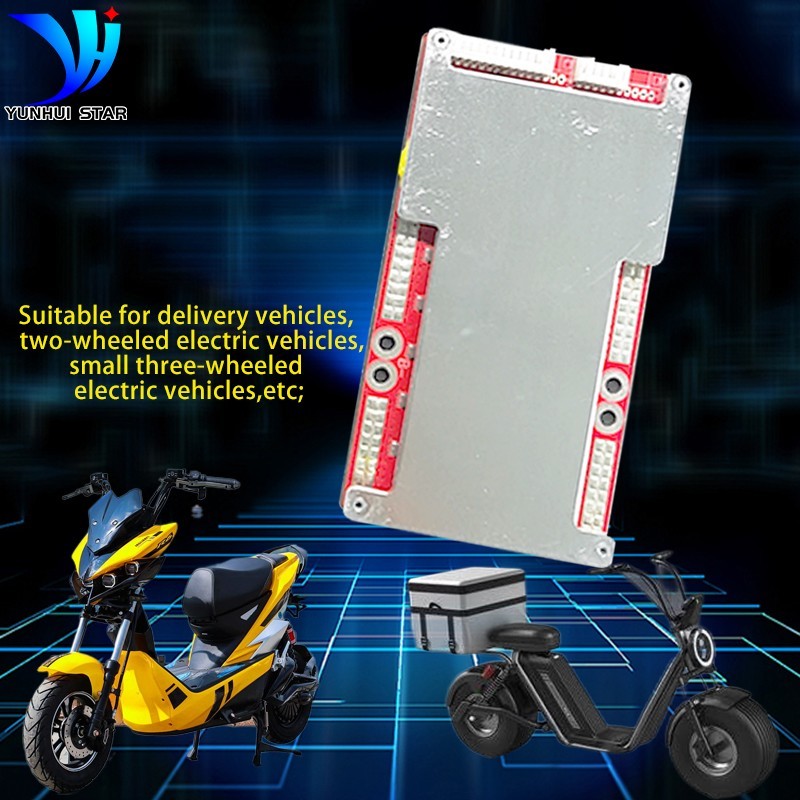
TYPE 2: size: 120 * 65MM - RED
CW12565-16S-45A Li-ion Battery BMS Electrical parameters
1. Over-charge protection voltage: 4.25±0.025V(Li-ion);
2. Over-charge protection delay time: 700-1300ms;
3. Over-charge protection recovery voltage: 4.15±0.05V(Li-ion);
3. Balanced function -Balanced turn-on voltage: 4.125±0.025V(Li-ion)
4. Balanced current: 40±5mA(Li-ion);
5. Discharge protection Over-discharge protection voltage: 2.80±0.10V(Li-ion);
6. Over-discharge protection delay time:700-1300mS;
7. Over-discharge protection recovery voltage:;3.00±0.10V(Li-ion);
8. charging current:≤35A
9. charge Overcurrent protection current value:130A±10A;
10. charge Overcurrent protection delay time:400-600ms;
11. Discharge Working current:≤45A;
12. Discharge Overcurrent 1 protection current value:130±10A;
13. Discharge Overcurrent 1 protection delay time:700-1300mS;
14. Short circuit protection delay time:160-240uS;
15. Short circuit protection recovery:Disconnect load;
16. High temperature protection for Discharging: 70℃(optional);
17. High temperature protection for charging:55℃(optional);
18. Weak current switch:Can be connected to an external weak current switch to control discharge(optional);
19. Discharge loop internal resistance:≤6mΩ;
20. self-consuming:Operating mode:≤30uA;Sleeping mode:≤8uA;
21. Working temperature:Normal operating range-40-85℃;
Q: How do I know what material or type my battery is?
A: Please look your battery body, if the normal voltage(platform voltage) of your battery shows 3.2V, the battery is LiFePo4. If the normal voltage(platform voltage) of your battery shows 3.6V or 3.7V, the battery is Li-ion or Li-polymer battery;
Q: Is this BMS suit for my battery?
A: First, please confirm that how many strings you cell is in your battery pack. The BMS you buy must be same strings as your battery pack.Then please tell me how many Amps the working current needed. I will choose the best suitable one for you.
Q: What Amps should I choose for the BMS?
A: 1.It depends on the motor power and controller current limit for electric vehicles. Such as less 250W choose 15A, less than 500W choose 20 A, less than 800W choose 30A. If more than 1000W, please discuss with me. Protection current cannot be less than controller current limit.
2.If it has an inverter, it needs to be calculated according to the power of the inverter.
Calculation formula: current = inverter power / battery pack voltage/0.80(coefficient);
Q: What is the Common port and Separate port? what is the difference?
A: We take 10S 36V 20A BMS for example: Common port 20A means your charge cathode and discharge cathode are connected in the same point end (our C-), charge cathode and discharge cathode are used in the common connection port, so the charge current and discharge current are same as 20A;
Separate port is separately connected by charge cathode (our C-) and discharge cathode (our P-), so the charge current and discharge current are different, discharge current is 20A, charge current is 10A.
Q: The relationship between battery capacity and BMS current?
A: There is no direct relationship between battery capacity and BMS current, big capacity doesn't mean big current, but rely on continue current, that is to say if your engine is powerful, you should choose high current of BMS, it is not relied on battery capacity.
Q: How should I choose the right charger?
A: LiFePo4 battery charger voltage = number of battery strings X 3.6V,
Li-ion battery charger voltage = number of battery strings X 4.2V.